
13条
精密压延产线
支持复合导体压延、分切与尺寸控制
锐创冶金结合技术确保不同金属在原子层面的无缝界面,创建具有卓越性能的双金属复合材料。
验证能力
锐创将材料选择、制程控制和检测项目绑定到采购规格,帮助工程、质量和采购团队在询盘前明确验证路径。
| 阶段 | 关键检查 | 买家应索取的证据 |
|---|---|---|
| 界面结构 |
|
|
| 机械可靠性 |
|
|
| 应用边界 |
|
|
测试方法与适用范围
申请提供。
| 性能参数 | Metallurgical Bond | Electroplated |
|---|---|---|
| 结合强度 | 剪切测试验证 | 较低,取决于表面 |
| 界面连续性 | 连续 | 常不连续 |
| 热稳定性 | 优异 | 差 - 剥离 |
| 耐腐蚀性 | 优异 | 中等 |
不同于仅依靠表面粗糙度进行机械咬合的传统工艺,Raytron 的冶金结合技术通过严格控制退火过程中的热力学参数,促使铜和铝原子跨越界面势垒进行相互渗透。这种扩散行为形成了一个几十微米厚的、具有成分梯度的固溶体过渡层。
结果:在最苛刻的应用中实现可靠性能
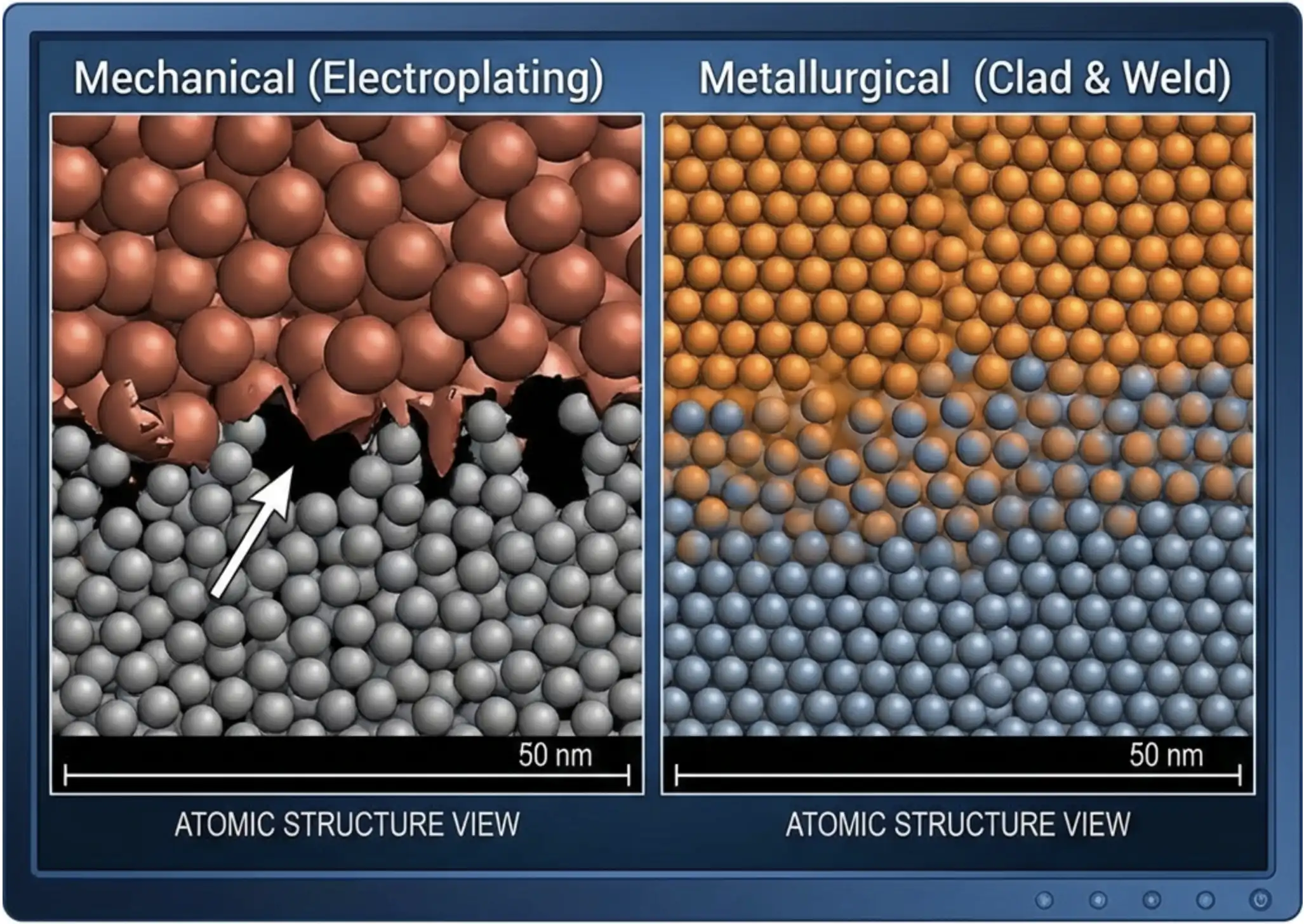
高倍显微镜下的界面结构模拟
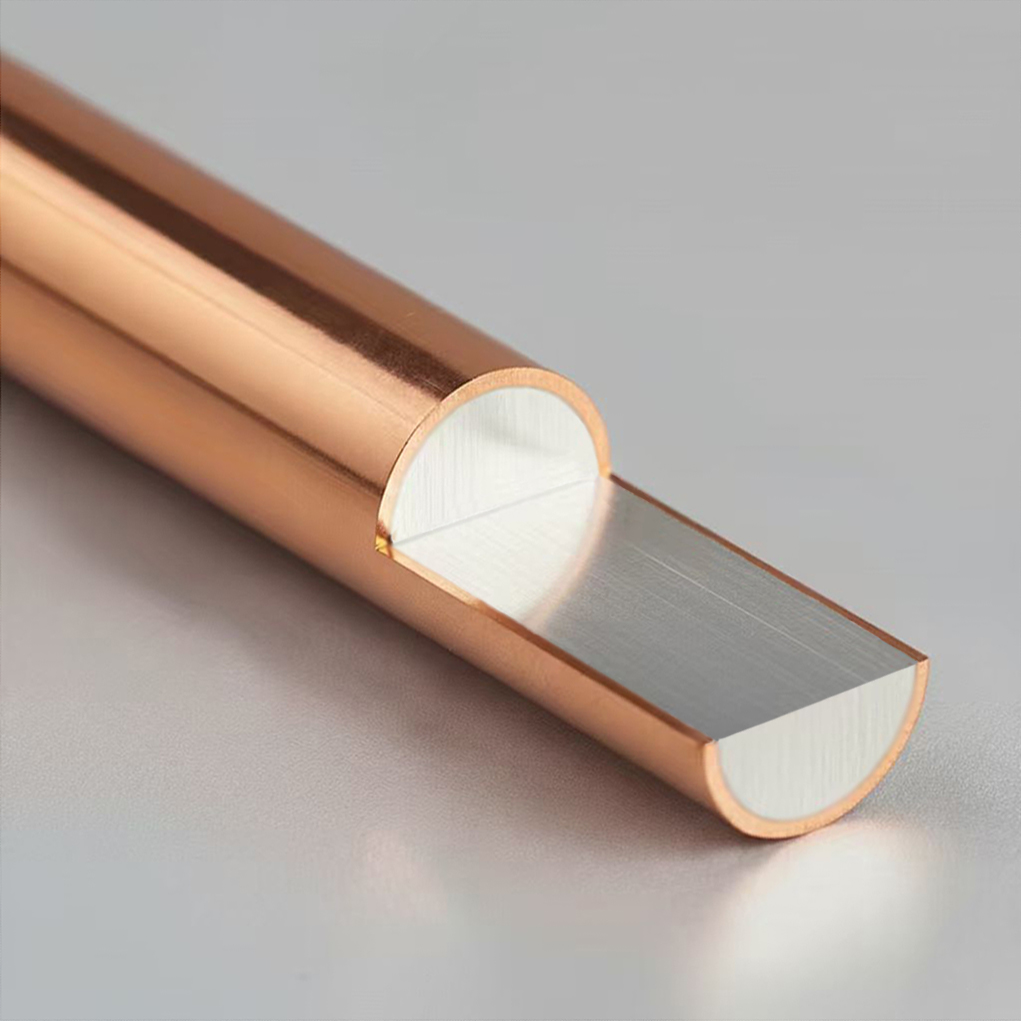
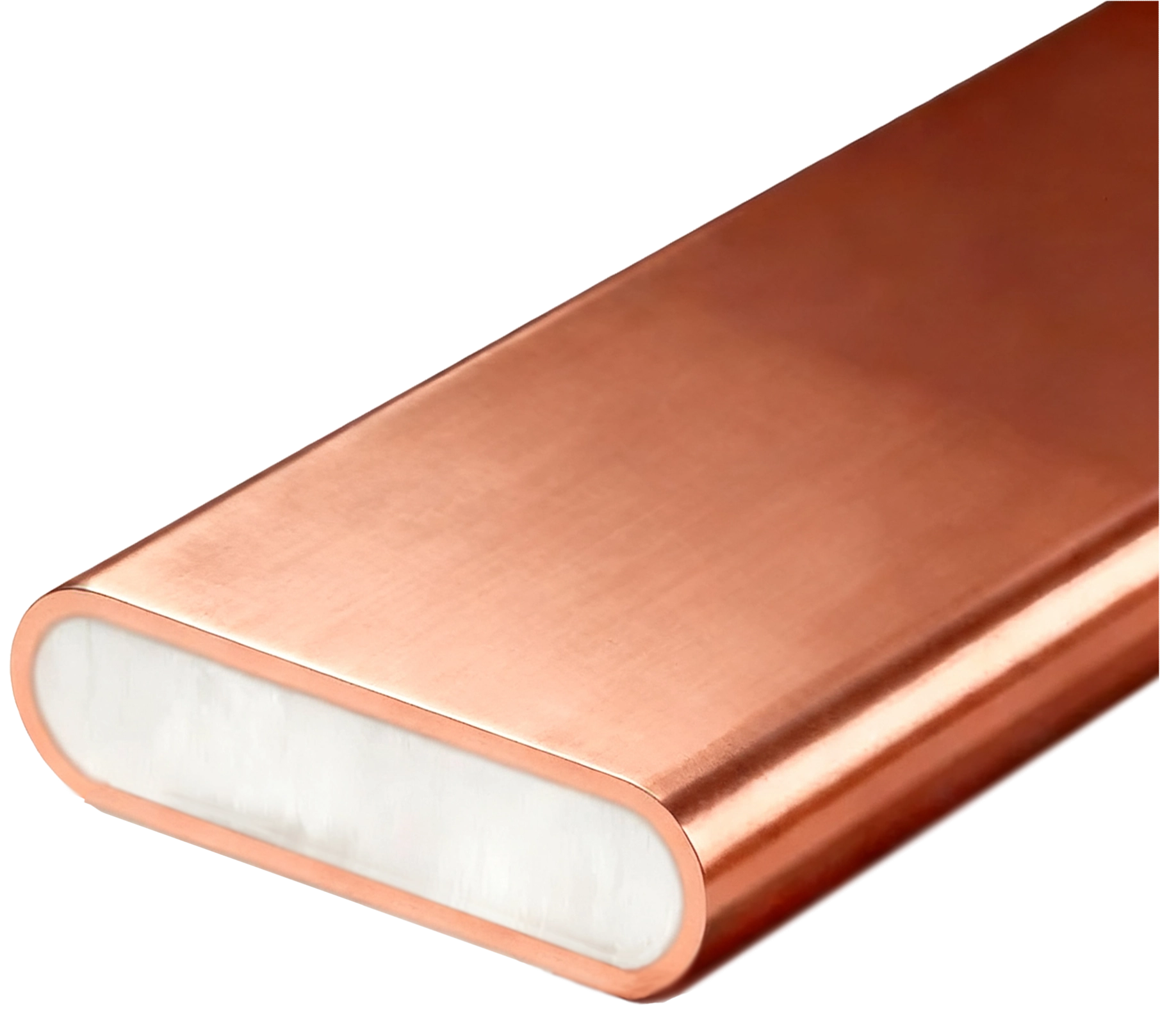
锐创主打铜铝复合光伏焊带/汇流带,并提供CCA、CCS和NCC复合导体,支持定制规格、样品评估和批量报价。
支持复合导体压延、分切与尺寸控制
支持样品、小批量与持续供货评估
覆盖复合导体、压延和相关工艺能力
便于工程样品与小批量验证
我们将在24个工作小时内回复您的询盘。
质量体系与批次追溯支持